My Dear Friend
2026
single-channel video, stereo
19:50 min
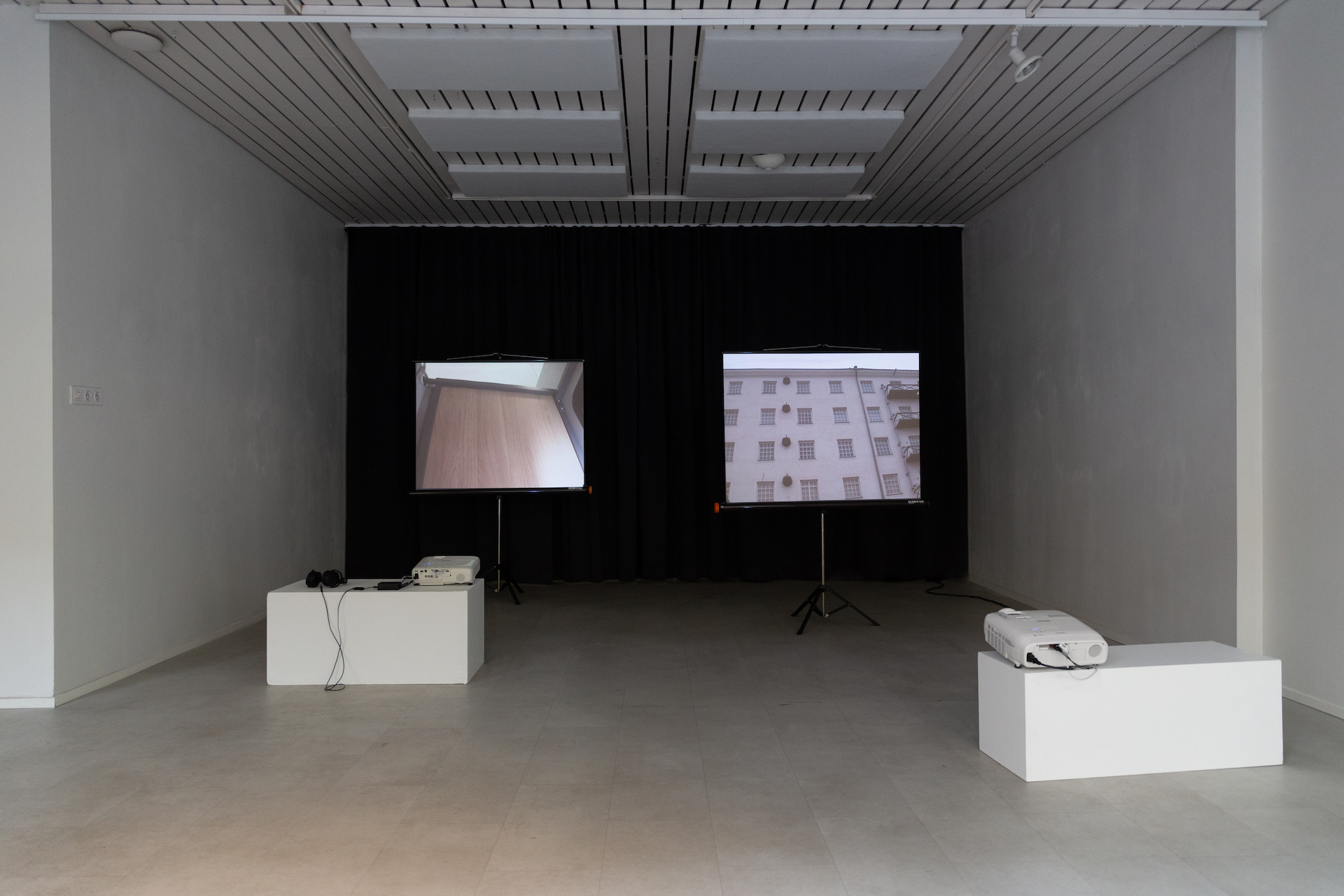
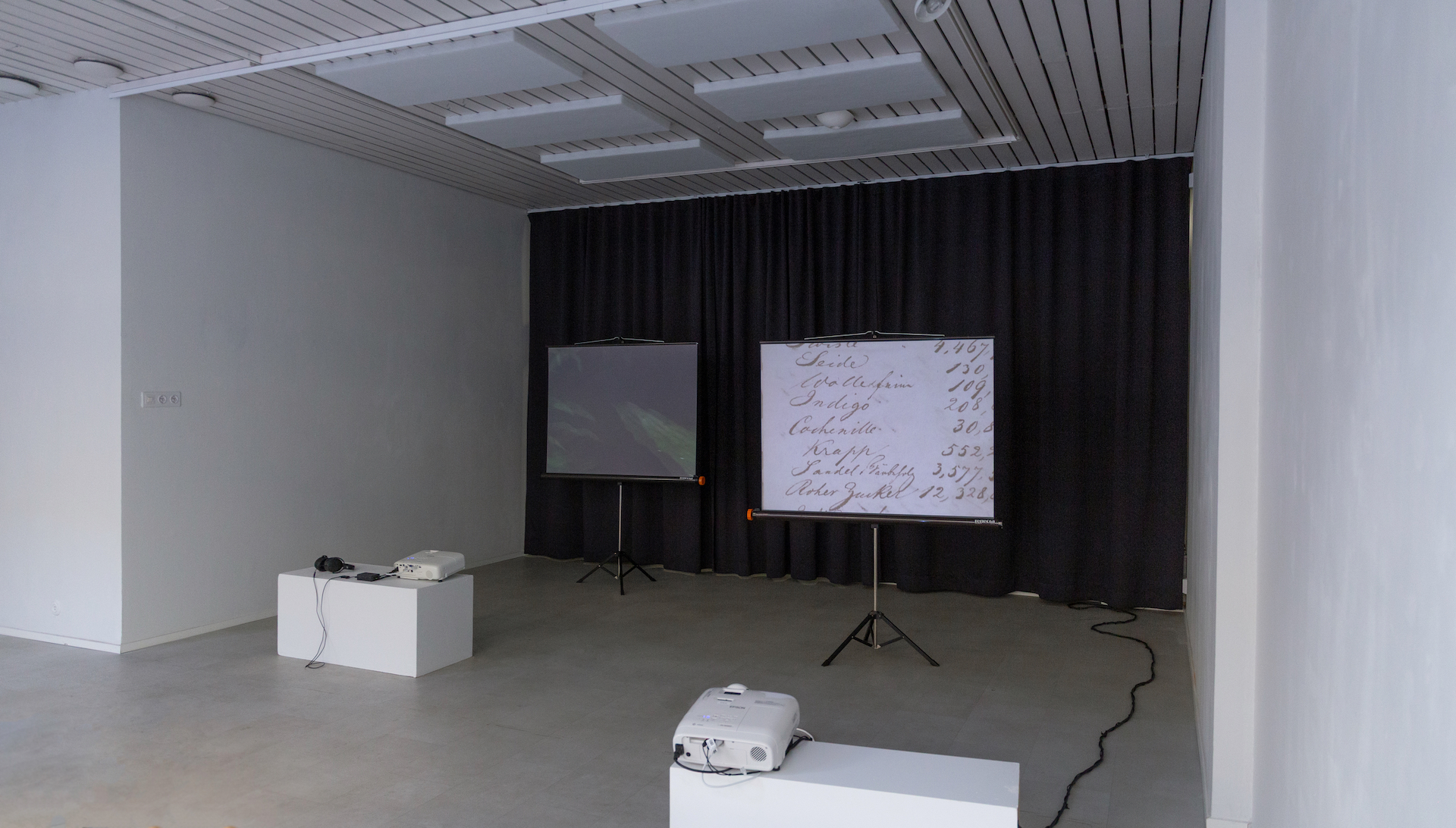
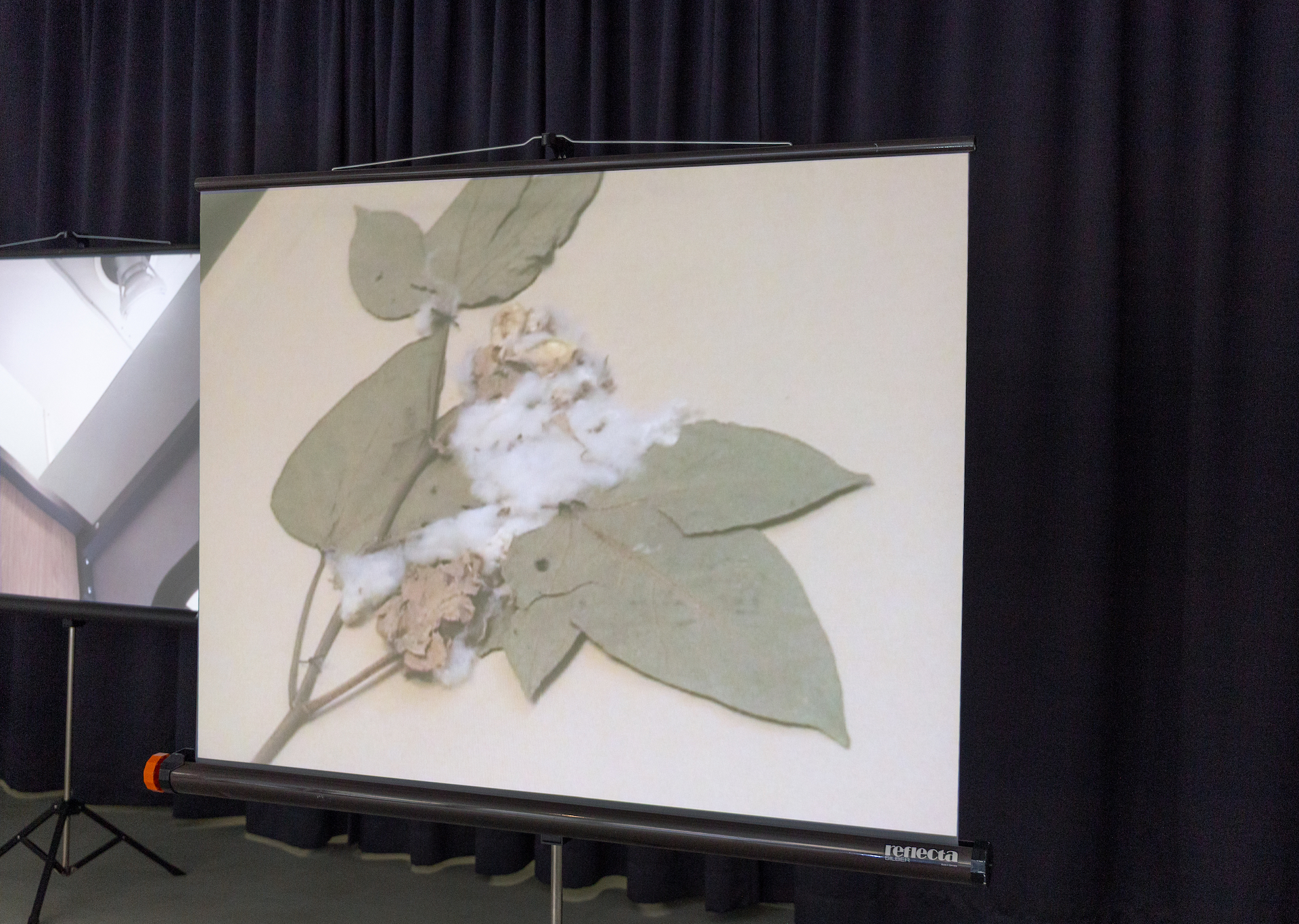
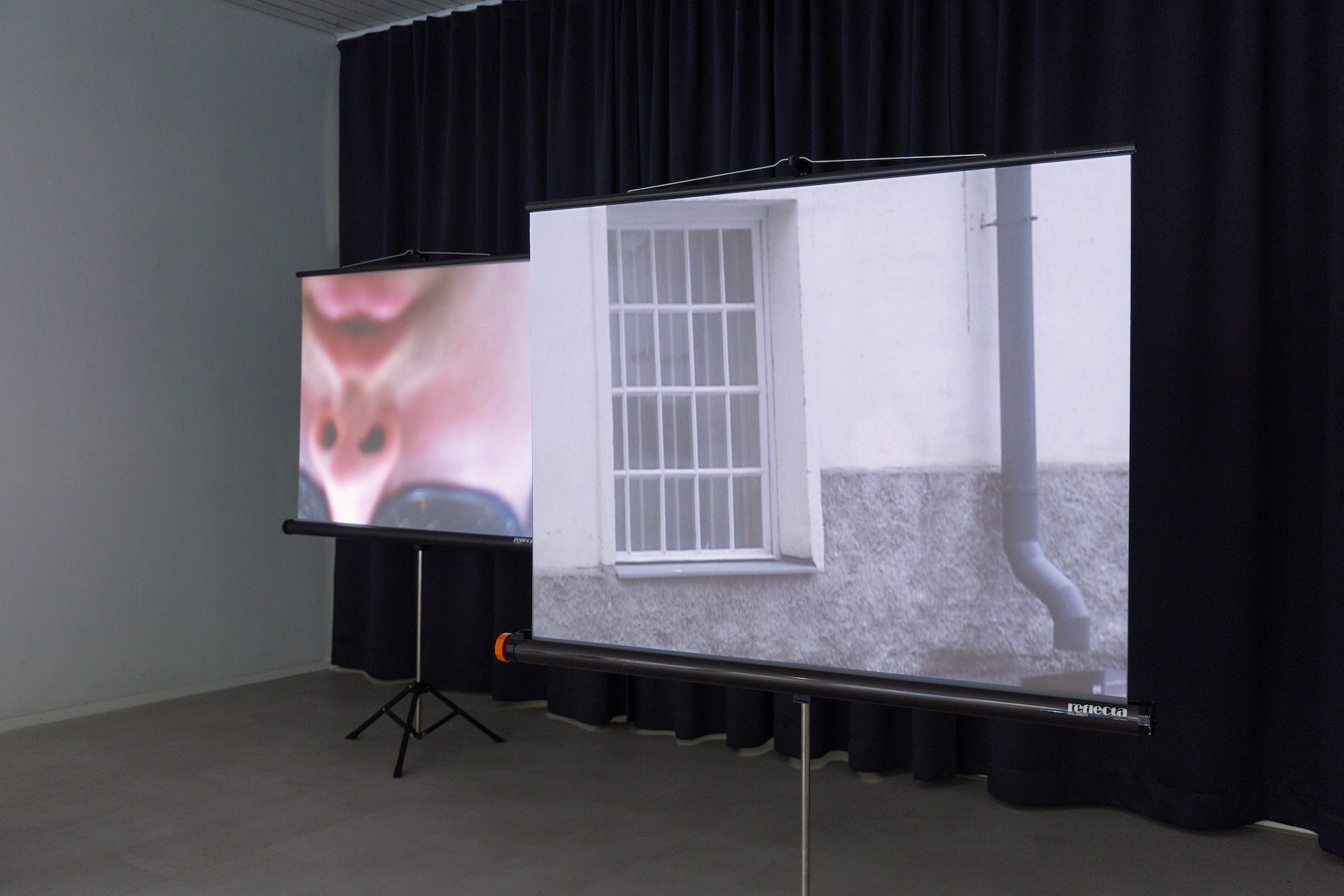
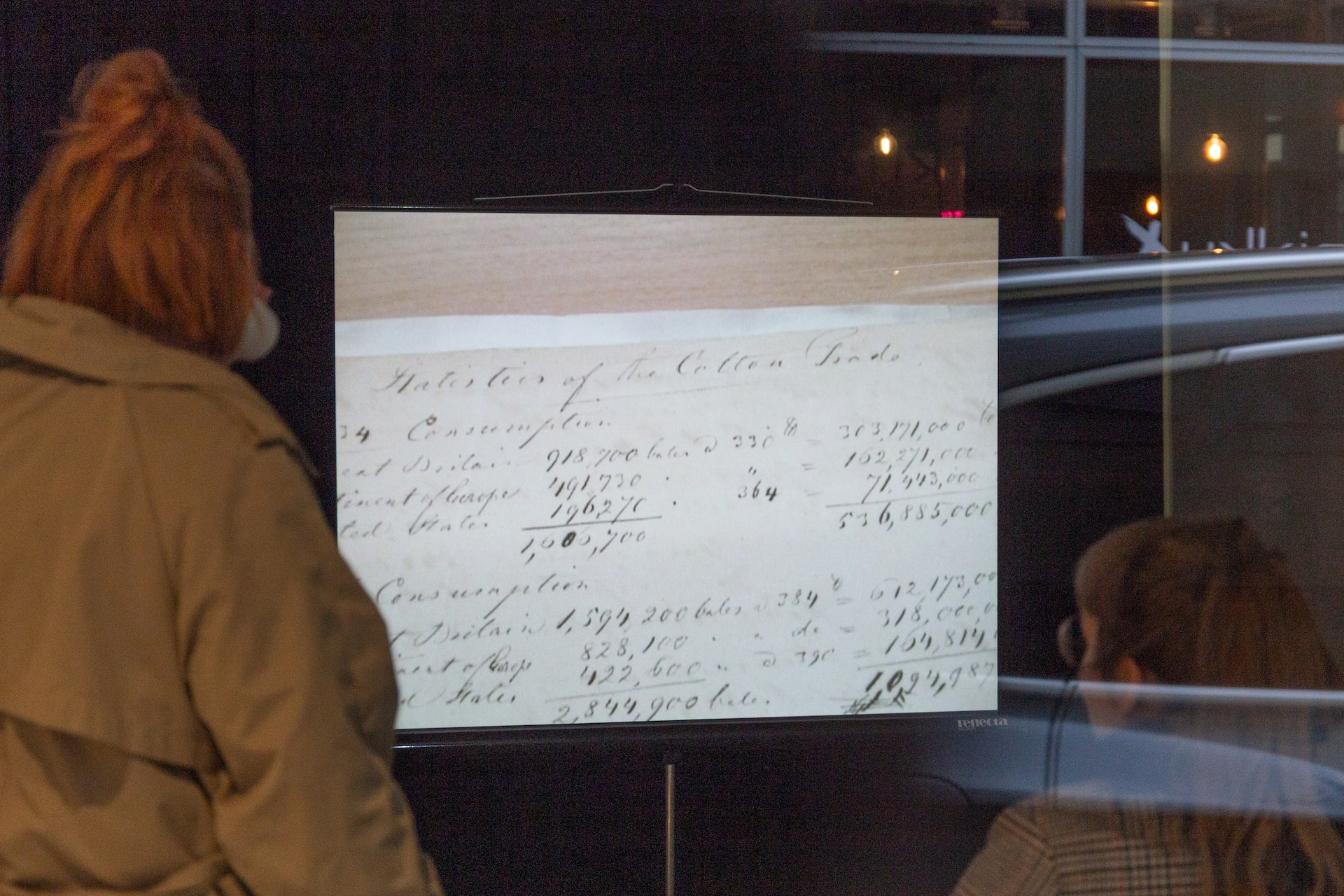
My Dear Friend (2026) includes footage of Finlayson’s business correspondence from 1820–1844, held in the Archive of Finnish Business Records (ELKA); cotton specimens from the 1700s–1800s in the herbaria of the Finnish Museum of Natural History (Luomus); and the Finlayson industrial area in Tampere, Finland.
The work addresses the history of the Finlayson factory and the Finnish textile industry in the 19th century, particularly its ties to colonial trade and cotton produced by enslaved labor. It traces the founding of the company by James Finlayson in Tampere in 1820, first as a machine workshop and later, from 1828, as a cotton mill, through its sale in 1836 to three investors — Carl Samuel Nottbeck, Georg Adolf von Rauch, and William Wheeler — and the tenure of managing director Ferdinand Uhde between 1836 and 1844, whose correspondence is preserved in the ELKA archive in Mikkeli. It touches on the origins of the cotton used by the company, which was imported from the southern United States, Demerara in Guyana, Brazil, and Dutch colonies, often via the Liverpool trading house Isaac Cooke & Sons, as well as the business model built on duty-free trade with Russia, cheap labor, and Tampere’s advantageous location relative to English competitors. It also addresses the political connections that supported the company, including Nottbeck’s and von Rauch’s ties to the Russian administration and imperial family, and the composition of the workforce, which by 1844 numbered around 500, mostly young women from poor families, many under the age of 15. The work further considers the Kuusvooninkinen building, completed in 1837 and the company’s oldest surviving factory building, and the involvement of the Wheeler family, whose Quaker beliefs officially opposed slavery even as the family remained indirectly linked to slave-produced cotton through business intermediaries — a contradiction that connects to the broader “free produce” movement. Finally, it follows the passing of William Wheeler’s share in the company after his death in 1836 to his sister Sarah and later, in 1842, to her son Daniel Wheeler Jr., whose involvement coincided with the addition of an anti-slavery clause to the company’s articles of association, a change that appears to have had little real effect on the company’s cotton sourcing practices.
My Dear Friend (2026) was shown in a solo exhibiton in 2026 at Galleria 3H+K in Pori, Finland.